
Hidden Benefits of Herbal Shampoo You Probably Didn’t Know
-
By Sreevidya MR

Herbal shampoo is more than a gentle cleanser – it’s a powerhouse of natural benefits that go far beyond basic hair washing. While most people think of shampoo as a way to remove dirt and oil, herbal shampoo offers deeper nourishment, scalp healing, and long-term hair health that many mainstream products can’t match.
In this blog, we explore the hidden benefits of herbal shampoo, including how it helps with dandruff, dry scalp, and supports a wholesome, natural hair care routine – helping you understand why it’s a smarter choice for your hair and scalp.
1. It Balances the Scalp’s Microbiome (Yes, your scalp has its own ecosystem)
Your scalp has good bacteria and bad bacteria.
Chemical shampoos kill everything.
But herbal shampoos are smart – they only calm the harmful microbes that cause dandruff.
What this means:
- Helps reduce dandruff naturally
- Doesn’t disturb your scalp’s protective layer
- Keeps your scalp healthy in the long run
This is why herbal shampoo works well for recurring dandruff – not just for one-time relief.
2. It Cools Down Scalp “Heat” – a Hidden Cause of Hair Fall
Ayurveda says excess Pitta (heat) on the scalp weakens the roots.
You don’t see it, but you feel it as irritation, burning, or sensitivity.
Herbs like hibiscus, aloe vera, and Nandikesam naturally cool the scalp.
What this means:
- Less inflammation
- Reduced hair fall
- Healthier, calmer roots
- It’s a benefit most people never think about.
3. Strengthens the “Grip” of Hair Follicles
This is a rare one!
Herbal shampoos protect your scalp’s natural oil layer, which improves the root grip – how tightly the hair stays attached.
Result:
- Less early-stage thinning
- Stronger roots
- Fuller hair growth over time
- Chemical shampoos often strip this layer completely.
4. Creates a “Moisture Memory” for Dry Scalp
Some herbs (like fenugreek, bhringraj, and rose) act like small sponges.
They absorb water and slowly release moisture back into your scalp throughout the day.
This helps:
- Reduce dry flakes
- Calm itchy scalp
- Keep the scalp soft and flexible (important for growth)
5. Cleans Without Damaging Your Hair’s Protein Layer
Herbal shampoos use natural cleansers called saponins.
Unlike sulfates, they remove dirt but don’t strip away your hair’s protective protein.
Benefits:
- Less breakage
- Less frizz
- Naturally shiny hair
- Better curls and texture
This is why hair feels soft instead of “squeaky” after herbal washing.
6. Helps Slow Down Premature Greying
Most people don’t know this!
Herbs like Amla and Nandikesam help protect your hair’s natural colour by reducing oxidation.
This means:
- Your natural colour lasts longer
- Greying doesn’t speed up due to shampoo damage
This is a subtle but powerful long-term benefit.
7. Supports Natural Detox Through the Scalp
A healthy scalp also needs good blood flow and lymph drainage.
Herbal ingredients stimulate this gently.
This helps:
- Remove toxins
- Reduce puffiness/inflammation
- Provide better nourishment to the hair roots
This creates the ideal environment for hair growth.
8. Works Better With Hair Oils Compared to Chemical Shampoos
If you apply hair oil regularly, this is a big plus.
Chemical shampoos strip off everything, including the good oils.
But herbal shampoos remove only the excess oil and keep the nourishing layer.
This means:
- Softer hair
- Better oil retention
- Healthy shine
- Improved absorption of herbal benefits
Perfect for any natural hair care routine.
How to Use Herbal Shampoo the Right Way
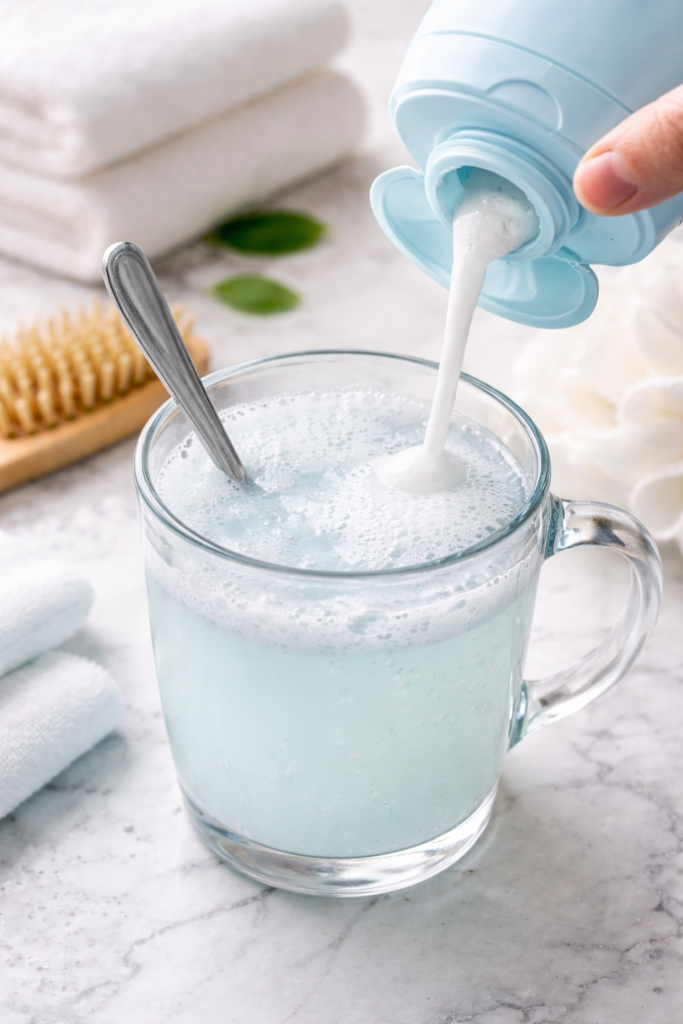
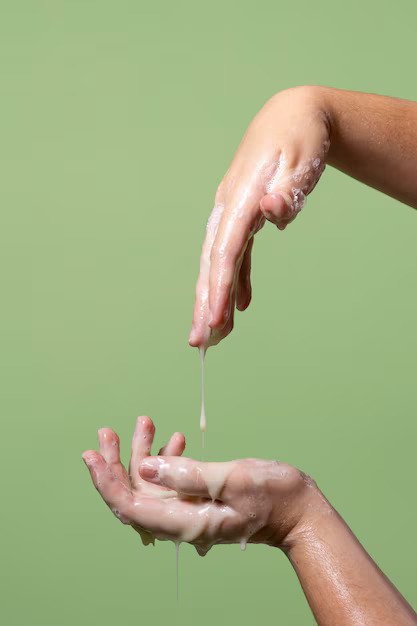
1. Dilute it with a little water
Makes it easier to spread and activate the herbs.
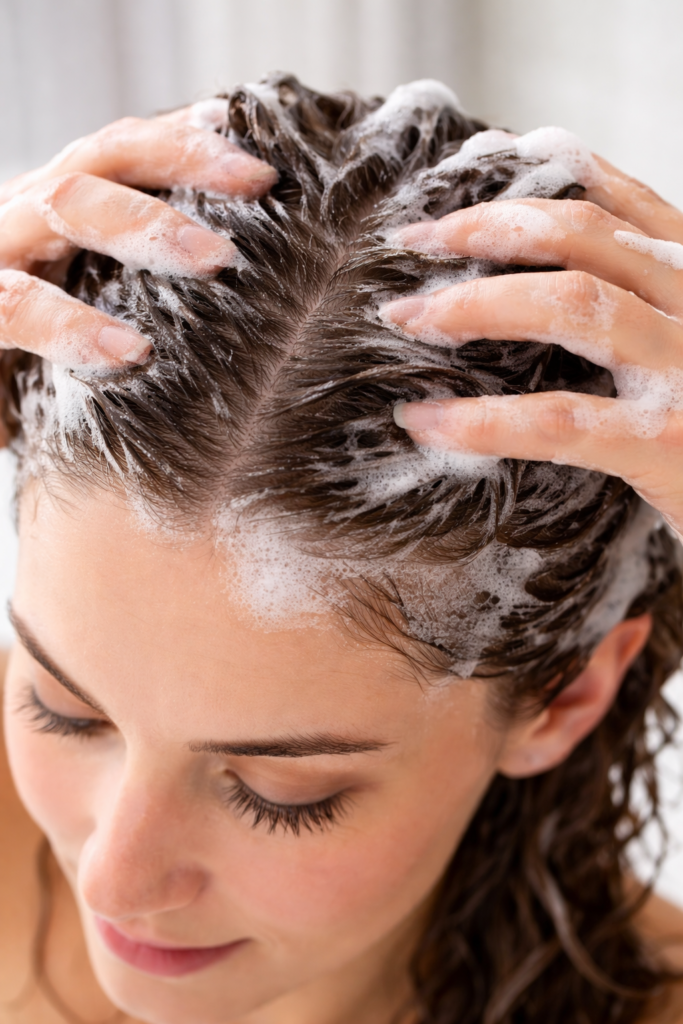
2. Focus on the scalp, not the ends
Shampoo is for the scalp. Your lengths get cleaned when the foam runs down.
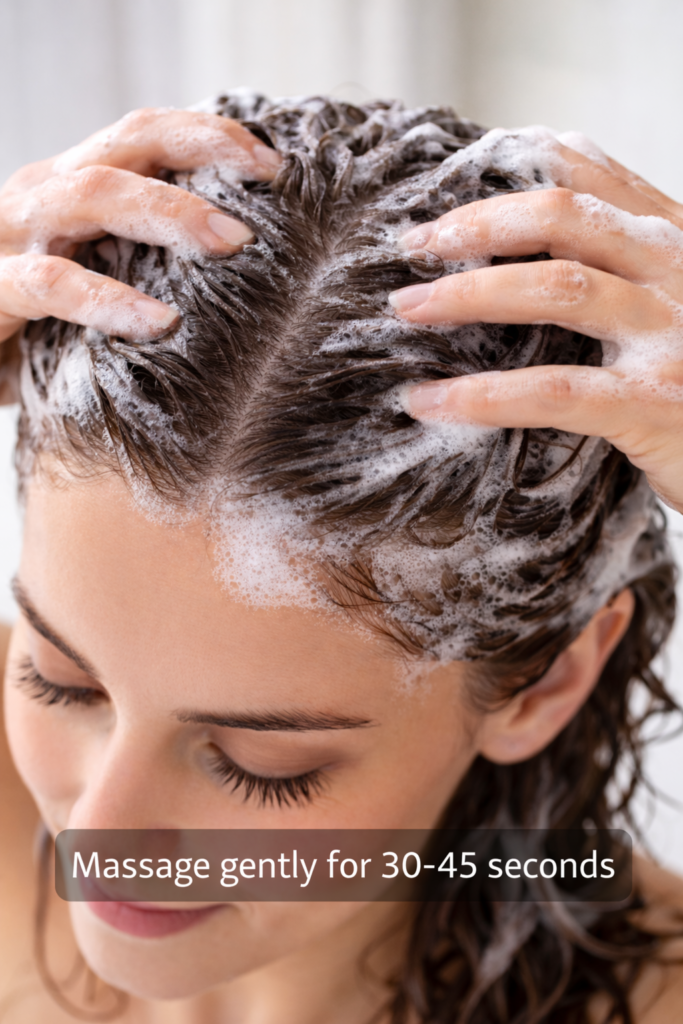
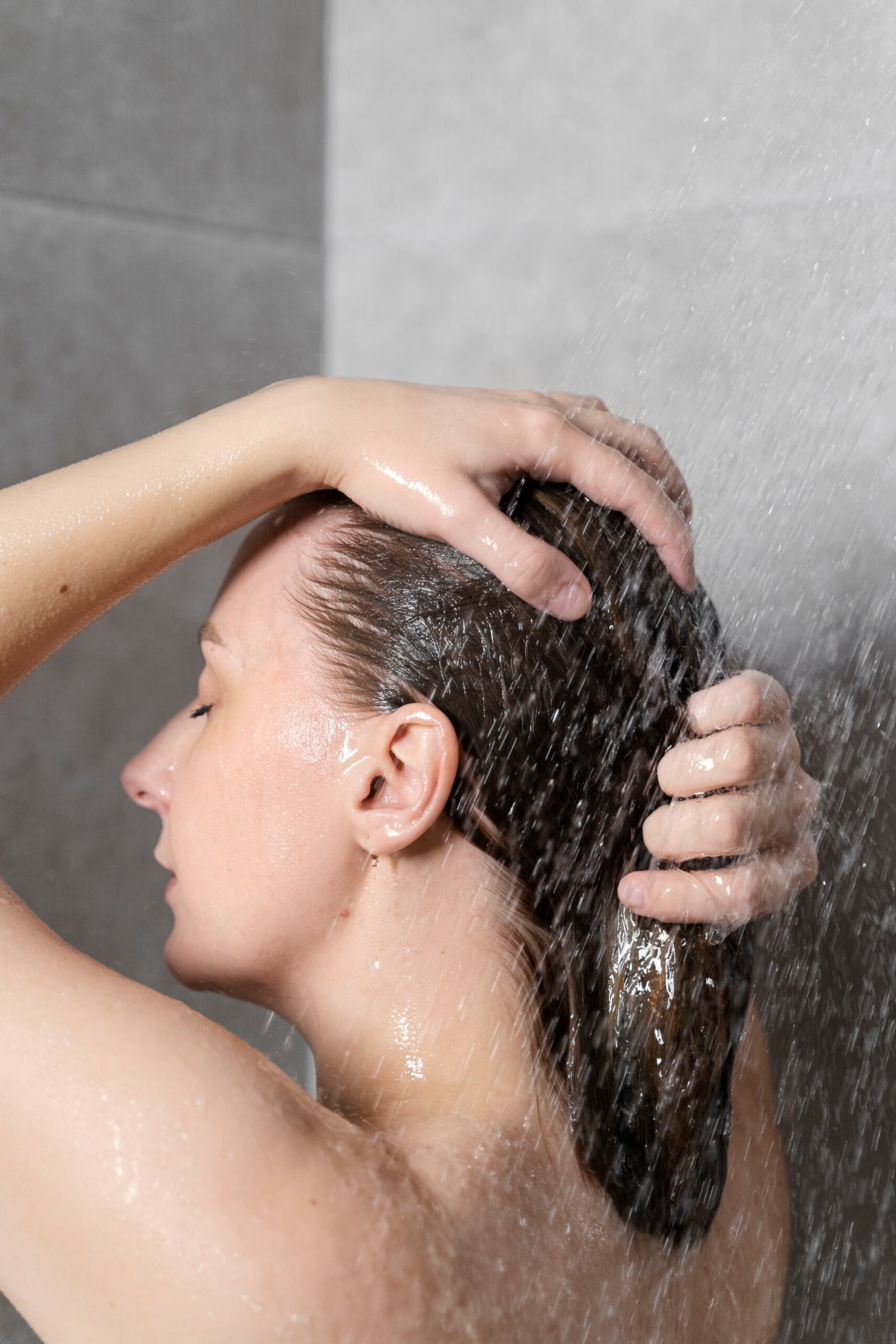
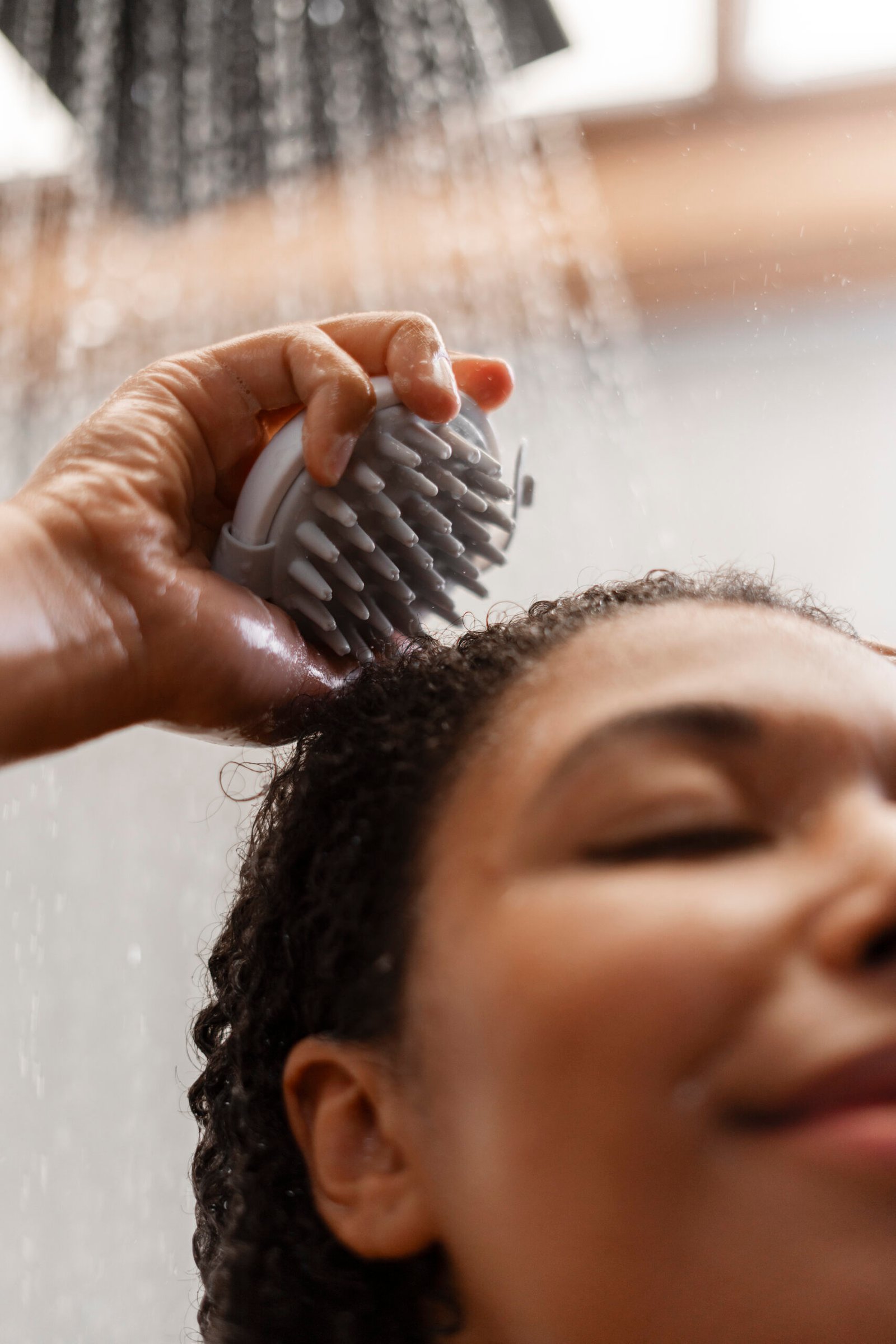
3. Massage gently for 30-45 seconds
Helps herbs work deeper.
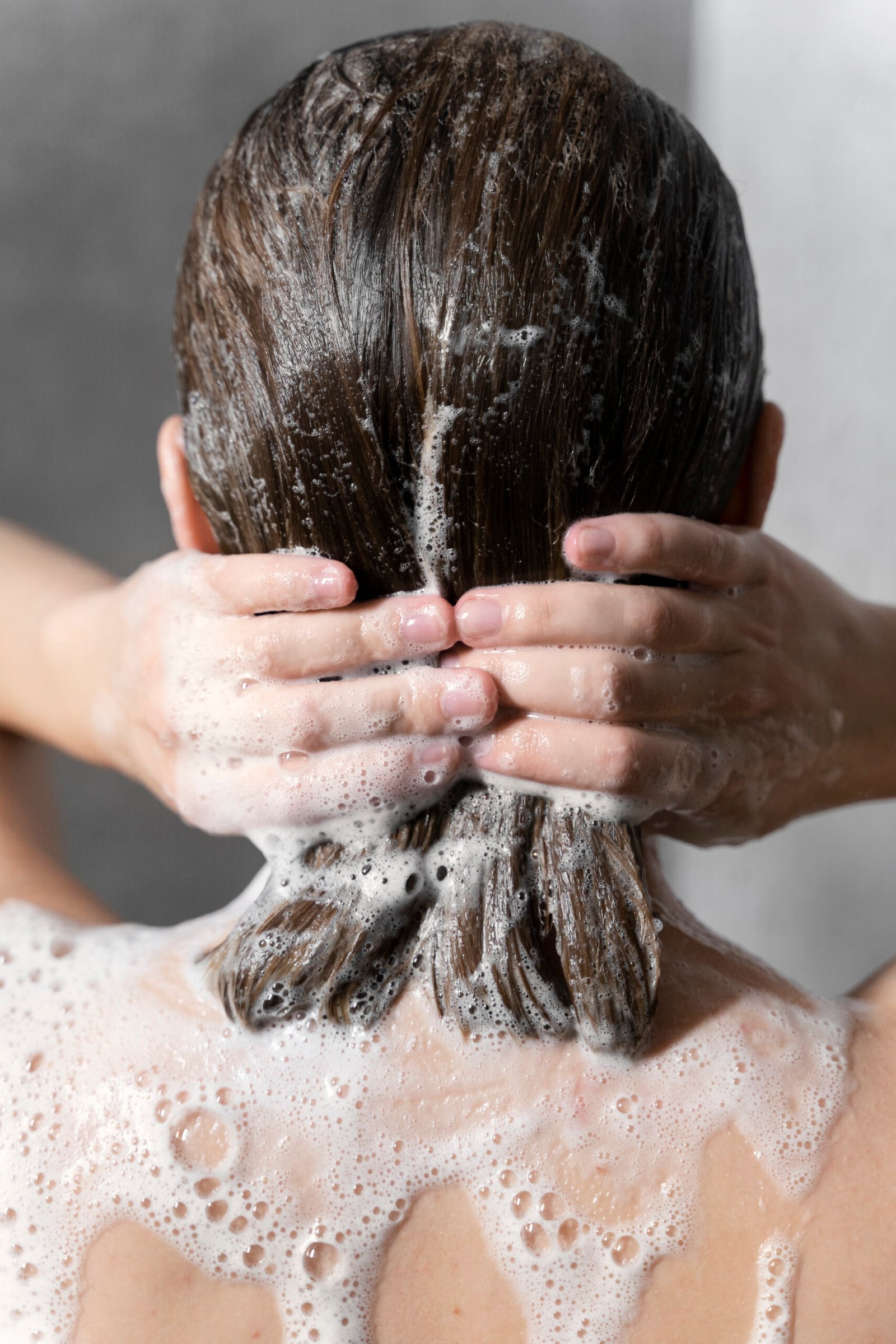
4. Leave it for 1-2 minutes
Let the ingredients do their magic.
5. Rinse with lukewarm water
Hot water = dry scalp + more hair fall.
6. Don’t double-wash unless your hair is very oily
7. Pair with herbal oil weekly
This completes the natural hair care routine.
Herbal Shampoo vs. Chemical Shampoo
| Features | Herbal Shampoo | Chemical Shampoo |
| Formulation Base | Plant-based extracts, natural cleansers, mild surfactants | Synthetic detergents, sulfates, silicones, and artificial fragrance |
| Purpose of Cleansing | Cleans while nourishing the scalp | Cleans aggressively to remove oil and buildup quickly |
| Foam Quality | Low to medium foam (natural saponins) | High foam from sulfates (SLS/SLES |
| After-Wash Scalp Feel | Cool, calm, less tightness | Tight, dry, sometimes itchy feeling |
| Hair Texture After Wash | Softer, more natural movement | Smooth at first, but it becomes rough over time |
| Ingredient Stability | Heat-sensitive natural ingredients with real nutrients | Long shelf life due to preservatives & synthetic stabilizers |
| Build-Up Effect | Minimal build-up, easy to rinse off | Silicone coating builds up over time, weighing hair down |
| Safety for Colored Hair | Gentle-less colour fading | Can strip hair colour due to strong chemicals |
| Aroma Source | Natural herb or flower scent | Synthetic perfumes |
Main Features of Herbal Shampoo
- Mineral Oil–Free
- Paraben-Free
- Sulfate-Free
- No Artificial Colors
- Dermatologically Tested
Conclusion
Herbal shampoos quietly do a lot more than just wash your hair – and Nandikesam is a great example of that. Its herbal blend helps cool your scalp, reduce flakes, improve root strength, and protect your natural shine without any harsh chemicals. The more you use it, the more these hidden benefits start to show. So if you want a shampoo that actually understands what your hair needs, Nandikesam is the right place to start.