
Little Hair, Big Worry: How to Prevent Childhood Hair Loss Before It Starts
-
By Dijin KP
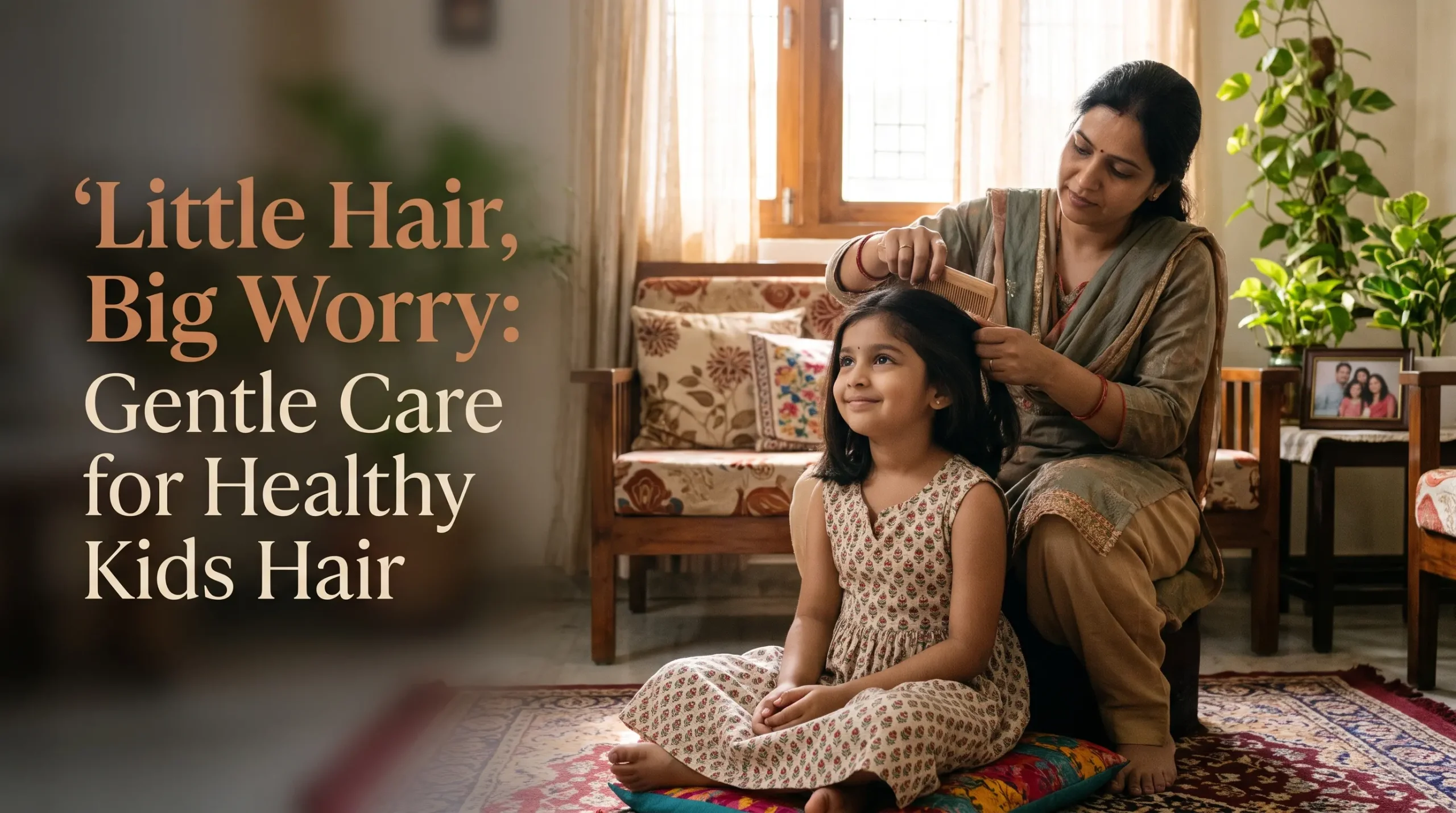
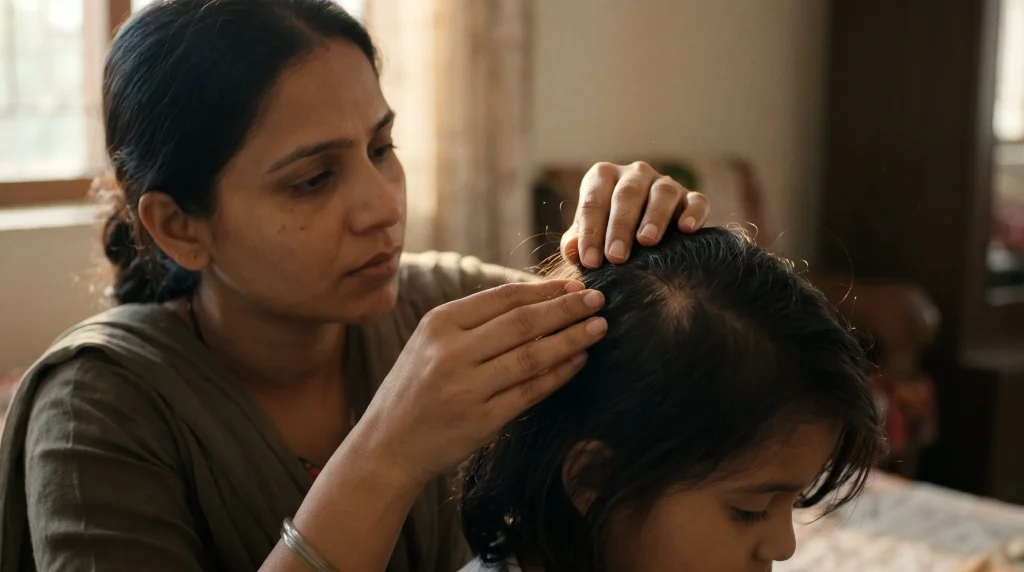
Noticing the comb was the first incident. While preparing your child for school one morning at home, you observed a thin patch close to the area where the hair appeared sparser than it should. Every adult in the room thought the same thing, but no one spoke it out loud: what is this, and did we do anything wrong?
What most parents do is what you did. You looked at the head’s other side. You reminded us of the past few weeks, including what had been consumed, how tight the braid was, and whether the new shampoo was to blame. After that, you conducted an online search and discovered twelve contradictory responses. This instruction is for you if you’ve had a knot in your gut.
Here is the reassuring part first. Childhood hair loss can often be prevented when it comes from tight hairstyles, scalp infections, poor nutrition or harsh products. What helps most is gentle handling, a clean and dry scalp, meals with enough protein, iron, zinc and vitamin D, quick treatment of any scalp infection, and a doctor’s visit if thinning lasts more than a few weeks.
Some causes can’t be prevented, and that’s worth saying plainly. Conditions like alopecia areata have nothing to do with how well a child’s hair is looked after. If that’s what you’re facing, please be kind to yourself. You didn’t cause it.
What Normal Shedding Looks Like
Before worrying, it helps to know what’s normal. Every child loses somewhere between 50 and 100 hairs a day. Babies often lose hair in their first few months, partly from hormonal changes after birth and partly from rubbing their little heads on the mattress. It grows back without any help.
Trouble looks different. Round or uneven bald patches, short broken hairs, a red or flaky scalp, clumps of hair in the brush, thinning eyebrows, or a parting that seems wider than last month are all worth taking seriously. Which of these you are seeing often points to the cause.
Why Children Lose Hair
The most common cause in school-aged children is a fungal infection of the scalp, called tinea capitis. It leaves circular spots with scaly skin when the hair falls off close to the skin. It is easily passed from person to person on sharing combs, caps, towels and pillows. Shampoo alone seldom clears it and a doctor will typically prescribe an antifungal medicine to be taken by mouth. Sounds scary, but it’s common and treatable.
Tight hairstyles come next. Firm braids, high ponytails, buns and thin elastic bands pull on the roots all day. Over months, the hairline and temples begin to thin. Most parents tie those braids out of love, so there’s no blame here, only a small change to make.
Some children twist, pull or chew their hair without even realising it, usually when they’re anxious, bored or sleepy. This habit, known as trichotillomania, leaves patches where the hairs are broken at different lengths. It’s usually a child’s way of soothing something.
Alopecia areata is different. The body’s defence system mistakenly attacks hair follicles, causing smooth, round patches. Nothing a parent does or fails to do brings it on, and many children see their hair return with a dermatologist’s guidance.
Hair can also fall out a couple of months after a high fever, an operation or a stressful period. This delayed shedding, called telogen effluvium, usually settles once the body has recovered.
Then there’s food. Hair is built mostly from protein and needs iron, zinc and vitamin D to grow well. A child who eats very little, avoids whole food groups or lives on snacks can run short. Less often, thyroid problems or other health conditions are behind it, so hair loss that doesn’t improve deserves a check.
How to Prevent Childhood Hair Loss at Home
Routine habits are the key to most prevention. Together, they shield the scalp and the hair that grows from it, even though none of them are particularly noticeable.
Keep hairstyles loose
If your child wears ponytails or braids to school, make sure they are loose rather than tight. Thin elastics are harsher than fabric-covered bands, and leaving the hair down for a day or two allows the roots to rest. A tight hairstyle is indicated by a painful scalp, redness, and tiny bumps along the hairline.
Be gentle with wet hair
Wet hair is much easier to break and stretch than dry hair. Pat dry with a soft towel instead of rubbing, use a broad toothed comb and start at the ends before moving up to the roots. A bit of detangling spray, or a few drops of mild oil, will help to ease tangles for youngsters with long or curly hair.
Keep the scalp clean and dry
Most children do well with two or three washes a week with a gentle, tear-free shampoo. Wash more frequently after swimming, sports or sweaty days. Rinse well . Leftover shampoo can cause irritation and flaking . Dry the scalp well afterward . Fungus likes to grow in wetness . Persistent dandruff in a youngster is worth mentioning to a doctor.
Stop infections before they spread
Teach your youngster not to share combs, hair bands, caps, helmets or towels and wash brushes in warm soapy water once a week. If one child in the house has a scalp infection, wash the bedding and towels, and have the doctor check the other children and pets too. The best prevention is catching it early as the spots will develop if left untreated and sometimes leave a scar.

Feed the hair from the inside.
No shampoo can replace a balanced plate. Eggs, milk, curd, lentils, beans, chickpeas, fish and chicken provide protein. Leafy greens, legumes, dates and fortified cereals bring iron, and pairing them with vitamin C foods like guava, citrus fruits or tomatoes helps the body absorb it. Nuts, seeds, whole grains and pulses supply zinc, while a little morning sunlight and foods like eggs and fish support vitamin D.
Please avoid giving iron or biotin supplements on your own. Too much iron is harmful to children, and a simple blood test can show whether there is a real deficiency.
Skip heat, colour and chemicals.
A child’s scalp is thinner and more sensitive than an adult’s. Straighteners, curling tools, hair colour and relaxers can burn the skin and weaken the hair, so they are best left out of childhood altogether. Pick mild, fragrance-free products made for children, and stop using anything that stings or leaves the scalp red.
Use oil sparingly
A gentle oil massage helps with dry or tangled hair and can be a soothing sleep ritual. However, it is not a remedy for any ailment of the scalp and does not restore hair that has been lost. Long-term use of heavy oil can retain dirt and exacerbate fungus or dandruff. Apply a tiny bit, give it a light massage, and wash it off in a few hours or the following morning.
Watch sleep, stress, and habits.
Feeling comfortable and getting good sleep reduces the likelihood of youngsters losing hair after a stressful period. If you see hair tugging or twisting, keep calm as scolding often strengthens the behaviour. Keep hair neatly knotted or short, offer their hands something else to hold, and find a quiet time to figure out what might be upsetting them. If the conduct persists, a paediatrician or child psychologist may be able to help.
When to See a Doctor
A bit of shedding after a fever often settles by itself, but some signs should not wait. See a paediatrician or dermatologist if:
• bald patches appear or keep spreading
• the scalp is scaly, red, swollen, painful or has pus-filled bumps
• hair loss lasts beyond six to eight weeks
• eyebrows, eyelashes or body hair are falling out too
• your child seems unusually tired, or you notice changes in weight, appetite or nails
• the hair loss is affecting their mood or confidence
The doctor will examine the scalp, may test a hair or skin sample for fungus, and may order blood tests to check iron, thyroid function, and vitamin levels. Try not to experiment with home remedies or online hair growth products beforehand. The wrong treatment can delay the right one, and some make the problem worse.
Final Thoughts
The main strategy for preventing childhood hair loss is consistent, everyday care: loose hairstyles, light brushing, a dry and clean scalp, avoiding sharing combs, balanced meals, and paying attention to your child’s emotions. No matter how well hair is taken care of, some issues will still arise, and these practices won’t halt every reason. The speed at which you detect a change and promptly get it examined are things that you have control over.
Once the problem is identified and addressed, the majority of children’s hair comes back normally. Remind your youngster that a few missing patches do not define them, and exercise patience and loving care.
Most children’s hair grows back well once the cause is found and treated. Be patient with the process, and with yourself. And let your child know that a few missing patches don’t define them. Every child’s hair has its own pace and its own story. Here’s wishing the very best for your child’s hair, and for the smile that comes with it.